Tree pruning in Shepherds Bush
Professional tree care for homes, gardens, and businesses in Shepherd’s Bush
If you are looking for tree pruning in Shepherds Bush, you are probably trying to solve a real problem: branches brushing a roof, a tree blocking light, overgrowth near a neighbour’s fence, or a crown that has become too dense for the space it sits in. In a busy West London area like Shepherd’s Bush, trees have to work hard. They add privacy, soften terraces and front gardens, improve kerb appeal, and bring welcome greenery to streets that can feel tightly packed. But when a tree is left unchecked, it can quickly become a source of nuisance rather than a benefit.
That is where a local, experienced pruning service makes a difference. Tree pruning Shepherds Bush customers often need more than a quick trim. They need a careful approach that respects the shape of the tree, the layout of the property, neighbouring access, and the expectations of local residents and landlords. Whether you own a Victorian terrace near Goldhawk Road, manage a commercial courtyard close to the Uxbridge Road, or maintain a shared garden in a flat block, the aim is the same: sensible, safe pruning that improves the tree without harming it.
Good pruning is not about cutting back as much as possible. It is about making thoughtful choices that support tree health, structure, safety, and appearance. When done properly, pruning can let in more daylight, reduce strain on overloaded limbs, keep trees clear of buildings and utilities, and help younger trees establish a strong shape. For local customers, that means a garden or site that feels tidier, safer, and easier to enjoy all year round.
Why tree pruning matters in Shepherd’s Bush
Shepherd’s Bush has a mix of property types that all bring different tree-care challenges. There are compact front gardens, rear courtyards, shared communal spaces, commercial entrances, and streets where trees sit very close to paving, walls, and upper windows. In this kind of setting, trees cannot be managed in the same way they might be on a large rural plot. They need targeted pruning that suits the space available and the way people use the property.
Pruning can help in several practical ways. It can reduce overhanging branches that drop leaves into gutters, improve visibility near driveways and access paths, and remove weak or damaged growth after wind, storms, or seasonal stress. It can also improve the balance of a tree that has grown unevenly toward light or away from nearby structures. For many homeowners, the biggest benefit is simply a better use of the garden: more light, more usable space, and a tree that looks cared for rather than neglected.
For businesses and landlords, pruning is also about presentation and responsibility. A neat entrance, tidy frontage, and clear footpath can make a strong difference to how a property is used and perceived. If branches are interfering with signage, shading windows too heavily, or creating an untidy look around a retail or office frontage, regular tree maintenance is often the most practical solution. A local pruning team understands these pressures and can work around them with minimal disruption.
What our tree pruning service includes
Every tree and site is different, so pruning should always begin with a proper assessment. A good service does not start with a saw; it starts with understanding the species, the tree’s condition, the space around it, and the outcome you want. The right method might be light canopy reduction, crown thinning, deadwood removal, selective branch removal, or formative pruning for younger trees. Sometimes a tree only needs a small amount of work. Other times, the branch structure needs careful reshaping to restore balance and reduce risk.
In practical terms, a full pruning service usually includes:
- Inspection of the tree’s condition and growth habit
- Discussion of your concerns and the look you want to achieve
- Selection of pruning methods suitable for the species and location
- Careful cutting to encourage healthy regrowth
- Removal of dead, damaged, diseased, or crossing branches where appropriate
- Clearing away cuttings and leaving the site tidy
Depending on the tree and the property, the work may be light and precise or more involved. A responsible tree surgeon will always aim to maintain the natural character of the tree rather than forcing it into an unnatural shape. If you are unsure whether your tree needs crown thinning, crown reduction, shaping, or a more specific treatment, a local assessment is the best starting point. This is especially useful in Shepherd’s Bush, where different streets and gardens can have very different conditions even within a short distance.
Common pruning problems local customers ask us to solve
Many people contact us because a tree has become inconvenient in day-to-day life. A tree that looked attractive when it was smaller may now be crowding a patio, touching a building, or preventing enough daylight from reaching a kitchen or ground-floor room. In smaller urban gardens, even a modest amount of overgrowth can feel significant. That is why local tree pruning is often about solving immediate practical issues as much as improving the tree itself.
Typical concerns include branches hanging too low over walkways, twigs scraping windows, trees growing too close to drains or rooflines, and dense canopies that reduce airflow and light. In some cases, pruning is needed after storms when branches have been broken or partially torn. In others, the issue is long-term neglect that has left the tree with heavy, tangled growth. A knowledgeable team can identify what should be removed, what should be retained, and how much should be taken back without putting the tree under unnecessary stress.
For businesses, common reasons include improved access for customers, keeping pathways clear, removing growth that blocks signs or cameras, and managing trees in car parks or loading areas. For residential customers, it might be about keeping a mature tree from dominating a garden or maintaining a neighbourly relationship by ensuring branches do not encroach across boundaries. Whatever the reason, the aim is the same: a controlled, balanced result that works for your property.
Why local knowledge matters in Shepherd’s Bush
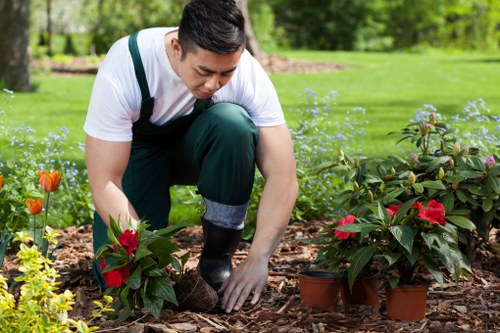
Working in Shepherd’s Bush is different from working in a more open suburban or rural setting. Access can be tight, parking can be limited, and many properties sit close together. That means tree pruning has to be planned with care. A local team is more likely to understand the practical realities of getting equipment in and out, protecting surfaces, managing waste removal efficiently, and working respectfully around neighbours and pedestrians.
Local knowledge also helps with the style of pruning that suits the area. For example, mature street-side trees may need a different approach from a small ornamental tree in a rear courtyard. Trees near mixed-use properties may require work outside busy times or with extra attention to safety barriers. Shared access routes, communal gardens, and basement-level entrances can all affect the best way to carry out the job. A local service is usually better positioned to plan around these realities without creating unnecessary disruption.
Another reason local customers choose a nearby tree care team is communication. When someone understands the conditions around Shepherd’s Bush, they can give practical advice about timing, access, likely methods, and what to expect after pruning. That can make a big difference if you are trying to organise work around tenants, neighbours, business hours, or family routines. Tree pruning in Shepherds Bush is not just about cutting branches; it is about delivering a convenient and sensible service that fits local life.
How the pruning process usually works
If you have never booked professional tree pruning before, it helps to know what the process looks like. The exact steps will vary depending on the tree, access, and scope of work, but a well-run service is usually straightforward and designed to keep things clear for you from start to finish.
- Initial discussion – You explain the issue, whether it is shading, overgrowth, safety, or general maintenance.
- Site assessment – The tree is checked for its size, species, condition, and surrounding obstacles.
- Recommended approach – The work required is explained in practical terms so you understand what will happen and why.
- Carrying out the pruning – The tree is pruned carefully using suitable techniques and equipment.
- Waste removal and tidy-up – Cut branches and debris are removed, leaving the area neat.
- Aftercare advice – You may be given tips on monitoring regrowth and deciding when future maintenance may be needed.
Good pruning should never feel rushed or vague. You should feel comfortable asking what will be removed and how the work will affect the tree’s shape. If you are managing a front garden in Shepherd’s Bush or arranging maintenance for a commercial property, clarity is especially valuable. It helps you plan around access, informs neighbours or occupants, and reduces the chance of misunderstandings later on.
Types of pruning commonly carried out
Different trees and different goals call for different pruning methods. A skilled tree surgeon will choose the most suitable approach rather than using a one-size-fits-all method. Some of the most common forms of tree pruning include:
Crown thinning
This involves selectively removing branches throughout the crown to reduce density while keeping the tree’s shape. It can improve light penetration and airflow, and it is often useful where a tree feels too heavy or dense for the space.
Crown reduction
Crown reduction reduces the overall size of the canopy while trying to maintain a natural outline. It can help if a tree is growing too close to a building, roofline, or neighbouring property. It should be done carefully, because overcutting can weaken the tree or create a poor shape.
Deadwood removal
Removing dead branches improves safety and tidiness. This is often a sensible maintenance task for both residential and commercial properties, especially where people regularly walk beneath the tree.
Formative pruning
Young trees benefit from early pruning to encourage a strong structure. This can prevent future problems by guiding the shape while the tree is still developing.
Selective branch removal
Sometimes only a few branches need to come out to solve a specific issue, such as rubbing limbs, blocked access, or a branch that is growing in an awkward direction. This measured approach can be ideal when you want to keep the tree’s natural appearance.
Important note: the best method depends on the species, the season, and the tree’s condition. A careful assessment is essential before any cutting begins.
Benefits of regular pruning for local homes and businesses
Pruning is often seen as a one-off fix, but for many properties it is better thought of as part of ongoing tree care. Regular maintenance can prevent minor issues from becoming expensive or difficult to deal with later. In an area like Shepherd’s Bush, where trees often share space with buildings, fences, footpaths, and utilities, preventative care is especially helpful.
Some of the main benefits include:
- Improved light into rooms and gardens
- Better airflow around the tree and nearby structures
- Reduced risk from dead, weak, or overextended branches
- A tidier appearance and better curb appeal
- More usable outdoor space for families, tenants, or customers
- Reduced interference with roofs, gutters, walls, and windows
- Healthier long-term growth when pruning is done correctly
For commercial premises, these benefits can support a more professional frontage and a safer environment for visitors. For residential properties, they can simply make the garden more enjoyable. Either way, proper pruning offers practical value that you notice immediately and appreciate over time.
What to prepare before your tree pruning appointment
To make the visit run smoothly, a little preparation can be very helpful. In Shepherd’s Bush, where access can be tight and parking limited, even simple steps can save time and reduce inconvenience. If you are arranging the work in advance, consider the following checklist:
- Clear access routes to the tree where possible
- Move garden furniture, pots, bikes, or other items away from the work area
- Let neighbours or occupiers know if shared access may be affected
- Check whether any parking or loading restrictions apply near the property
- Point out any fragile surfaces, utilities, or obstacles that need extra care
- Explain any specific concerns, such as overhanging branches near windows or sheds
If the tree is in a rear garden or courtyard, access may need to be planned carefully. For flats, managed properties, or commercial sites, it can also help to identify who is responsible for approving the work and whether any shared areas need to remain clear. A local team can work with these arrangements in a practical way, but a bit of preparation on your side makes the process smoother.
Tip: if you are not sure whether the tree needs pruning now or at a different time of year, ask for an assessment first. That can help avoid unnecessary work and give you a better idea of the most appropriate next step.
Pricing factors and what affects the quote
Customers often want to know what influences the cost of pruning, and it is a sensible question to ask. While exact prices vary from one job to another, several practical factors usually affect the quote. These include the size and height of the tree, how much work is required, the tree’s condition, the difficulty of access, and the amount of waste to remove.
For example, a small ornamental tree in an easy-to-access garden may take less time than a mature tree close to a building with restricted access. A tree that needs only light thinning will usually be simpler than one requiring more involved crown reduction or deadwood removal. If the site is in a busy area with limited parking, the logistics may also affect planning and time on site. This is why a proper inspection is valuable before any final quote is given.
It is also worth remembering that a cheaper job is not always the better choice if it leaves the tree poorly shaped or unnecessarily stressed. Thoughtful pruning protects the long-term condition of the tree and can reduce the need for corrective work later. When you request a quote, ask what is included, how the work will be carried out, and whether tidy-up and waste removal are part of the service. That way you can compare options fairly.
Why choose a local company for tree pruning in Shepherds Bush
There are real advantages to choosing a local company rather than a team unfamiliar with the area. First, they are more likely to understand the practical layout of local streets, parking limitations, and the mix of residential and commercial properties. Second, they can often respond more flexibly when a site needs careful scheduling or access planning. Third, they are used to working in the kinds of gardens and courtyards common across Shepherd’s Bush and nearby West London neighbourhoods.
A local company is also more likely to appreciate the importance of working neatly and respectfully in closely spaced urban environments. That matters where neighbours are nearby, where shared areas must remain clear, or where businesses need to keep disruption low. Good local service is often built on being organised, considerate, and realistic about what a property needs. In tree care, that practical mindset is just as important as technical skill.
If your tree is part of a larger outdoor maintenance plan, a local team can also help you think ahead. That may mean discussing future pruning intervals, identifying any branches to monitor, or highlighting trees that will need more regular care because of their position. For customers looking for tree pruning Shepherds Bush services, this level of local understanding can be a real advantage.
Areas covered around Shepherd’s Bush
Tree pruning services in Shepherd’s Bush are often requested by customers across the immediate area and nearby West London neighbourhoods. This can include homes, flats, schools, hospitality venues, retail units, managed estates, and office premises. Because the area is so varied, each site tends to require a slightly different approach.
Nearby locations may include:
- Shepherd’s Bush Green and surrounding streets
- White City
- Hammersmith
- Acton
- Brook Green
- Notting Hill
- Holland Park
- Latimer Road area
Even within a short radius, properties can vary a great deal. A small back garden off a residential road may need a different pruning plan from a frontage facing a main route or a shared courtyard behind a mixed-use building. That is another reason local experience matters: it allows the work to be adapted to the specific setting rather than treated as a generic job.
Frequently asked questions
Below are some of the most common questions customers ask when planning tree pruning. If your concern is not covered here, it is usually worth arranging an assessment so the tree can be looked at in person.
How often should trees be pruned?
It depends on the species, age, growth rate, and location of the tree. Some trees need regular maintenance every few years, while others may only need occasional light pruning. Trees close to buildings or footpaths often need more regular attention.
Will pruning harm my tree?
Not when it is done properly. In fact, well-planned pruning can improve structure and reduce stress. Problems are more likely when too much is removed at once or when cuts are made without regard for the tree’s natural growth pattern.
Can you prune trees near houses or fences?
Yes, but it must be done carefully. Trees in tight urban spaces often require a controlled approach, particularly where access is restricted or the work area is close to windows, roofs, walls, or neighbouring gardens.
Do I need permission before pruning a tree?
Some trees may be protected by a Tree Preservation Order or by conservation area controls. If that applies, permission may be required before work starts. It is always sensible to check the status of the tree before arranging major pruning.
What happens to the branches and waste?
Usually, the cut material is collected and removed as part of the service, leaving the area tidy. If you have a particular preference for stacking or retaining certain wood, discuss that in advance.
Can pruning improve light in my garden? Yes. Careful crown thinning or reduction can often allow more daylight through without stripping the tree back too heavily. This is one of the most common reasons customers request tree pruning in Shepherds Bush.
When pruning becomes urgent
Sometimes tree work is planned well in advance, but sometimes it becomes more urgent. You may need faster attention if branches are broken after strong winds, if a limb is hanging dangerously, or if growth is causing immediate access or safety issues. In those cases, a prompt assessment is important. The goal is to reduce risk while keeping the tree stable and healthy wherever possible.
Urgent pruning can also be needed when branches are rubbing against building surfaces, affecting safe entry to a property, or creating a hazard on pathways used by residents, staff, or customers. If you are dealing with a sudden issue, explain the situation clearly when you enquire so the work can be prioritised appropriately.
Even if the problem seems small, it is best not to ignore it. Small defects or nuisance branches can become bigger problems if left for too long. A local tree care team can help you decide whether the issue needs immediate attention or whether it can be scheduled as part of routine maintenance.
Our approach to customer service
Customers in Shepherd’s Bush often want straightforward advice, clear expectations, and minimal disruption. That is exactly what a good tree pruning service should provide. You should be able to explain your concern, receive practical recommendations, and have the work completed in a tidy and professional manner. Communication matters just as much as technical skill, especially when the property is lived in, occupied by tenants, or open to the public.
We focus on making the process as easy as possible for you, from the first enquiry to the final tidy-up. That includes being realistic about what pruning can achieve, explaining the likely outcome, and making sure the work suits both the tree and the location. For local customers, this is often the difference between a stressful experience and a smooth one.
If your tree has outgrown its space, is blocking daylight, or simply needs regular maintenance, request a free quote and arrange a convenient time for an assessment. Whether you need one-off pruning or ongoing tree care, a local service can help you keep your property looking its best. Contact us today to discuss your tree pruning needs in Shepherds Bush and book your service now.
Final thoughts on keeping trees healthy and well-shaped
Tree pruning is one of the most useful forms of garden and property maintenance because it serves several purposes at once. It protects safety, supports healthy growth, improves appearance, and helps trees work better within the space they have. In a dense and varied area like Shepherd’s Bush, those benefits are especially valuable. Trees need enough care to remain assets rather than becoming obstacles.
Whether you are dealing with a mature tree in a compact residential garden, managing multiple trees around a commercial site, or simply want more light and a tidier outdoor space, the right pruning approach can make a noticeable difference. The key is to use a local team that understands the area, respects the property, and knows how to make careful cuts for lasting results.
Book your service now if you are ready to improve the condition, shape, and safety of your trees. With the right care, your trees can continue to enhance your property while staying manageable in the long term.